Summer Heat and Closed Windows When Painting Indoors in Riverside
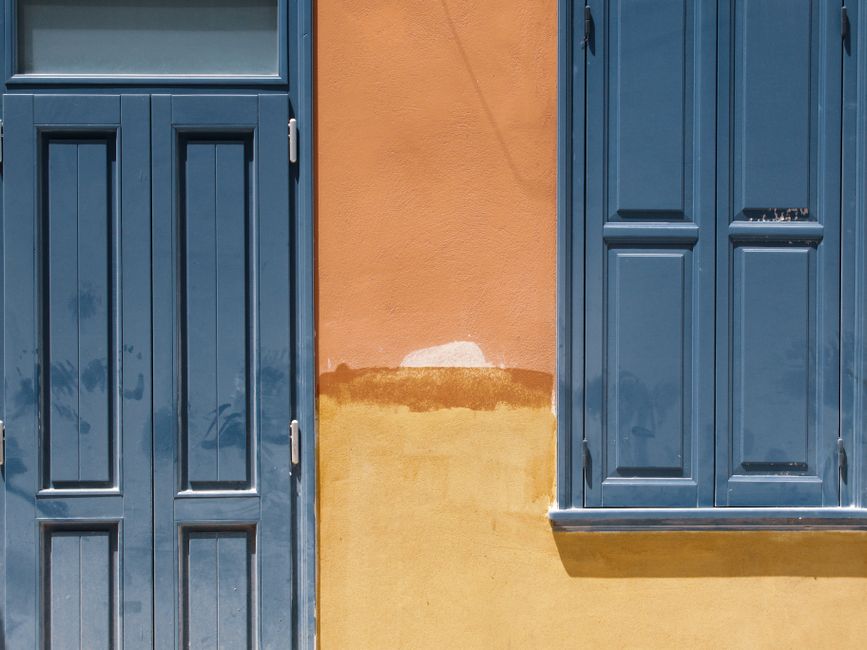
Heat is supposed to make paint dry faster, and sometimes that is exactly the problem. In a closed Riverside, CA house during an Inland Empire summer, latex skins over before it levels, and interior painting turns into a fight with lap marks, so the order of work is set deliberately and interior painting riverside crochetastic boutique covers the timing in detail. The air inside matters as much as the paint in the bucket.
Why heat causes brush and roller marks
Water based paint dries from the surface in. When a wall or the room itself is hot, the film at the edge of each stroke sets before the next stroke blends into it. That leaves a visible lap, especially in satin and semi gloss, and especially at a cut in line. Working a smaller section at a time, keeping a wet edge, and not going back over paint that has begun to tack are the basic fixes.
Scheduling around the afternoon
Rooms facing west take sun through the afternoon, and walls can be warm to the touch by midday. Painters in the Riverside area usually start early, finish the sun-facing walls before the heat builds, and leave north rooms for later. Shades or blinds drawn on the glass keep a window wall from baking while the topcoat dries.
Moving air without opening the house
Some homeowners keep windows shut for dust, for allergies, or because the cooling is running. A fan pushing air along the wall surface speeds drying but also leaves dry spots if aimed straight at wet paint. Better to run a fan to move air around the room, away from the finish, and to open a window or two for a short stretch while no one is working near it.
Low odour and fresh air
A low-VOC paint reduces the smell, but a closed room still holds vapour from primer and caulk. Cracking a window on the shaded side of the house, or running the house fan, clears the air faster than leaving it sealed. After sunset the evening air that drifts in from the Santa Ana River valley is cooler, and a window open then does more than one open at noon. Pets and sleeping rooms should wait until the smell has faded.
Thinning, coats and recoat windows
Paint is not thinned to compensate for heat unless the manufacturer allows it, because extra water weakens the film and hurts coverage. A paint conditioner sold for latex slows drying slightly. Two coats are still the standard, and the recoat interval printed on the can is checked against how warm the room actually is, since a hot room may shorten it and a cool, damp one may stretch it.